
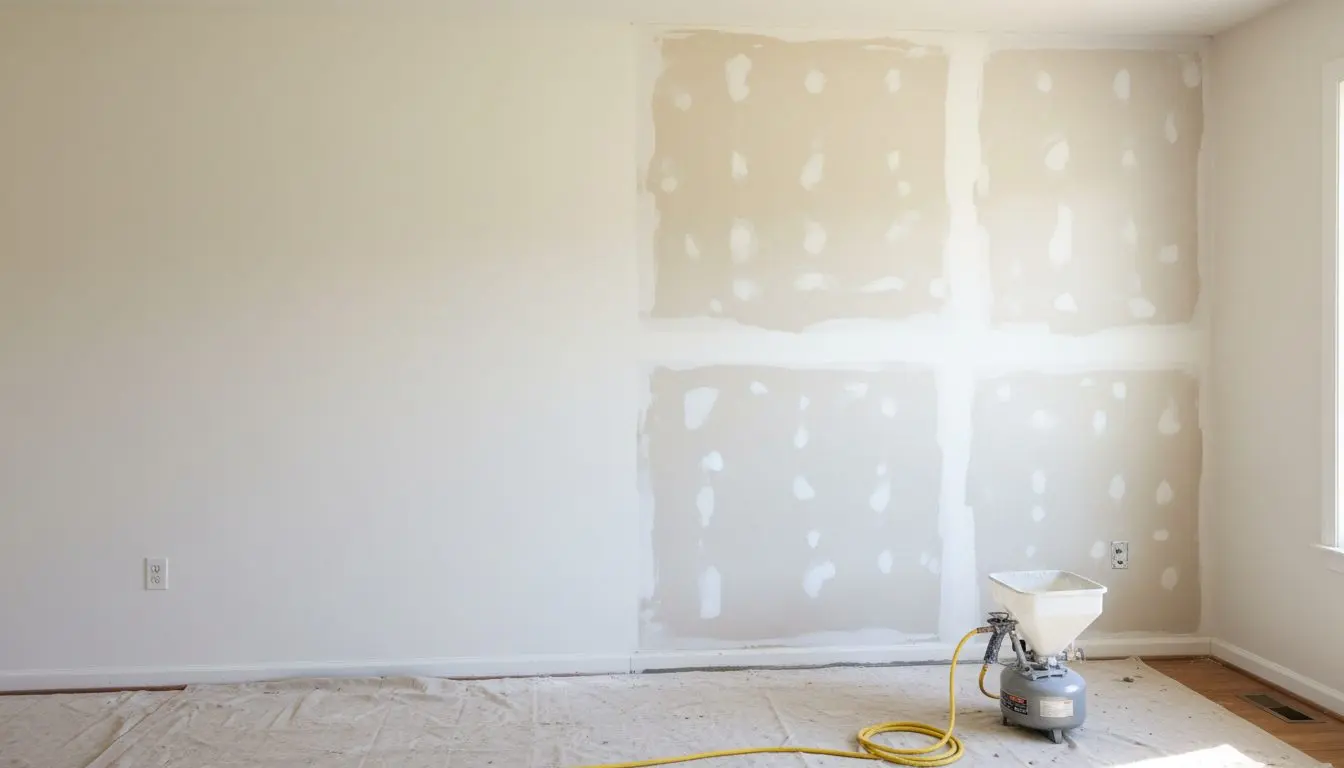
Texture and Finishing in Greenville
Taping, texture and finish levels in Greenville
Every texture sprayed on a test board first, finish levels named per room on the GA-214 scale, and drying days counted for the month you are in.
The finish that goes over board, new or fifty years old
You end up with walls carrying one texture corner to corner, and nothing to show where the old surface stopped.
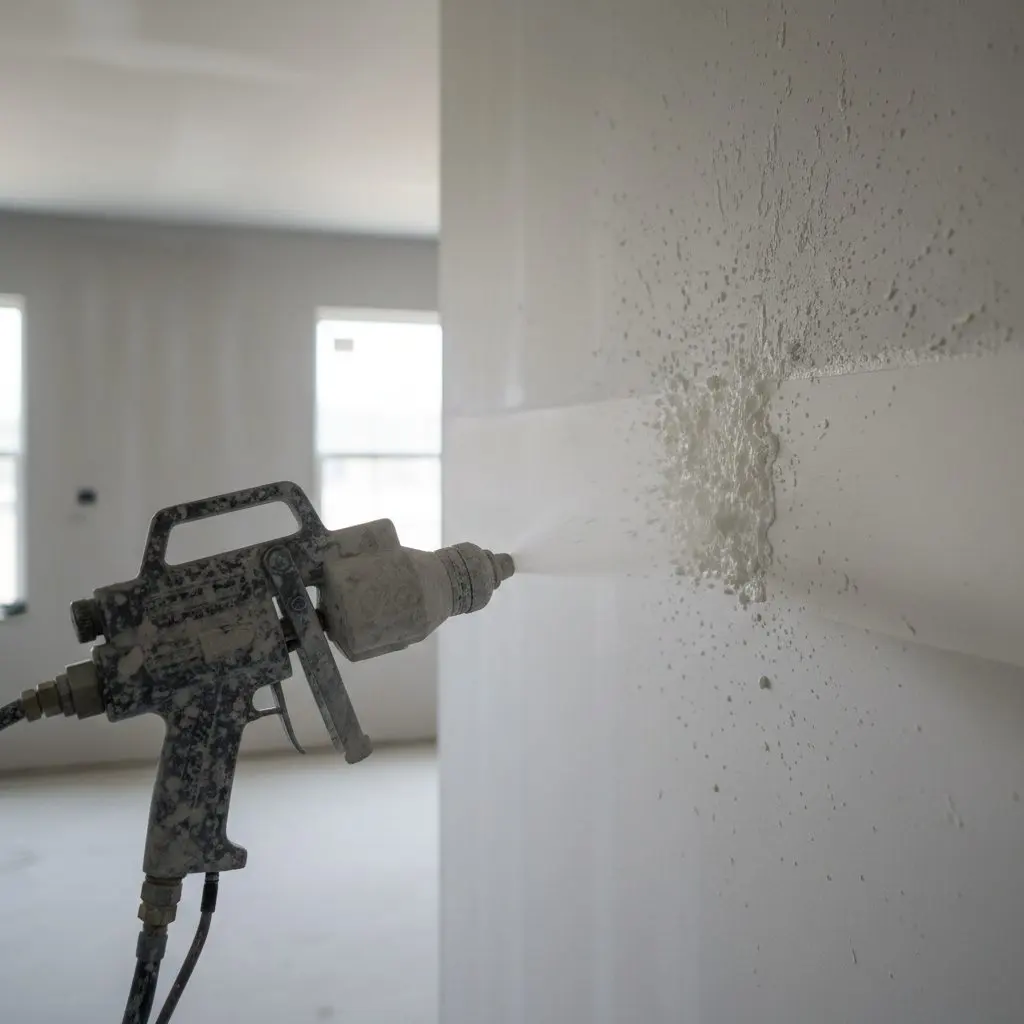
This is the finish that goes over board, whether the board went up last week or fifty years ago. Taping and mudding, levels 3 to 5, skim coats, and knockdown, orange peel and skip trowel either sprayed new or matched into what is there. If the board itself is holed or cracked, start at drywall repair. Popcorn coming off overhead is ceilings.
Texture and finishing on its own runs at about twenty five jobs a year, most of them in houses built between 1985 and 2005 where knockdown covers every wall.
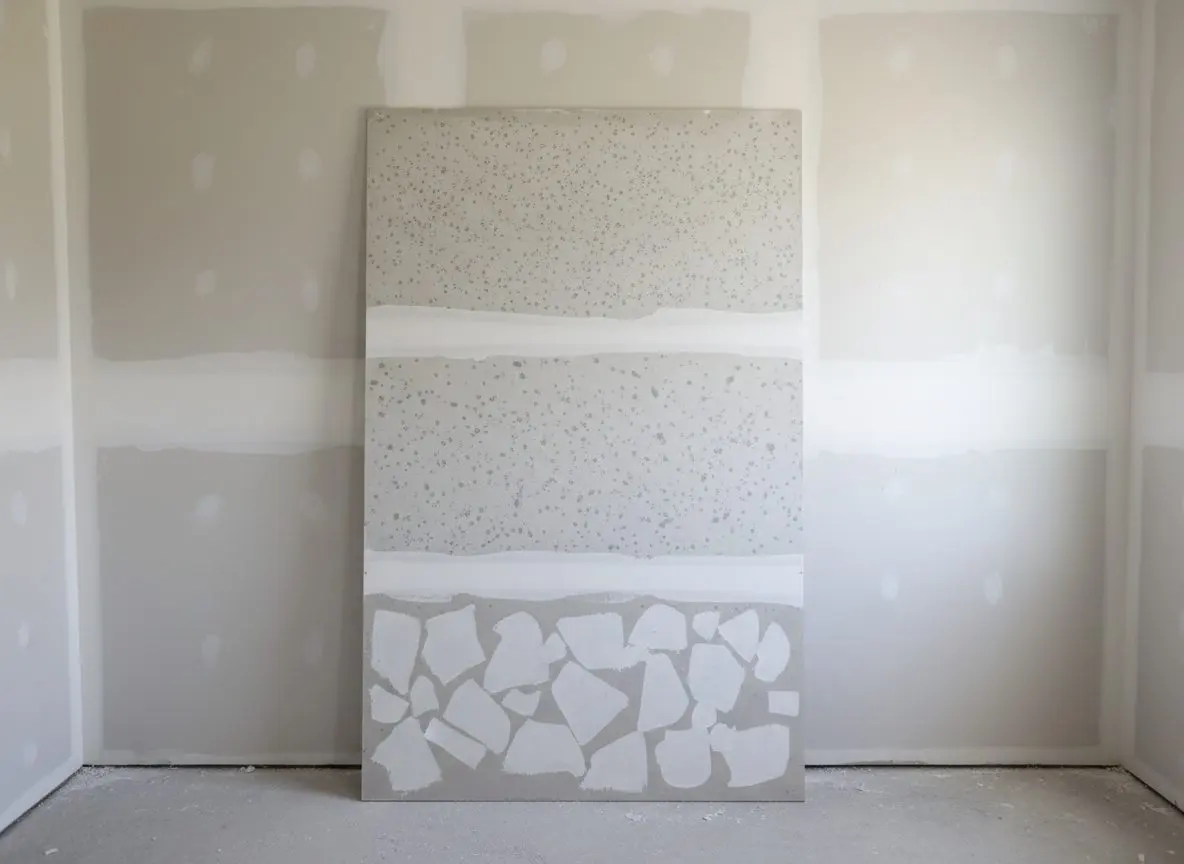
Most of it is matching a texture after somebody else has opened a wall. Then whole rooms skimmed flat because the owner is done with knockdown, new work textured to match the rest of the house, and Level 5 skims in rooms with a long window wall. Every finish is named on the GA-214 scale first, and the texture is sprayed on a test board and drawn at the same timing as the wall, because a blade pulled thirty seconds early leaves a flat patch that reads as a bright island once painted.
Homeowners call when a plumber has left a stripe of fresh mud down a knockdown hallway, and builders call when a new house has to match the texture in the four either side of it.
Call for a free texture match at (864) 555-0119. You go from walking guests down the other side of the hall to forgetting which wall it was!
Tape, coats, a test board and primer, all in the price
Finishing here ends where the painter starts, which means primed, and it means the texture already matches.
- Paper tape and three coats to every seam
- Corner bead bedded, screwed and refinished
- Finish level named per room on the GA-214 scale
- A test board sprayed before your wall is touched
- Knockdown, orange peel and skip trowel
- Skim coats on rooms being taken flat
- Sanding on vacuum, primer, floors vacuumed
Matching the old texture or taking the room flat
Most rooms people want skimmed flat need one wall matched and a coat of paint over everything.
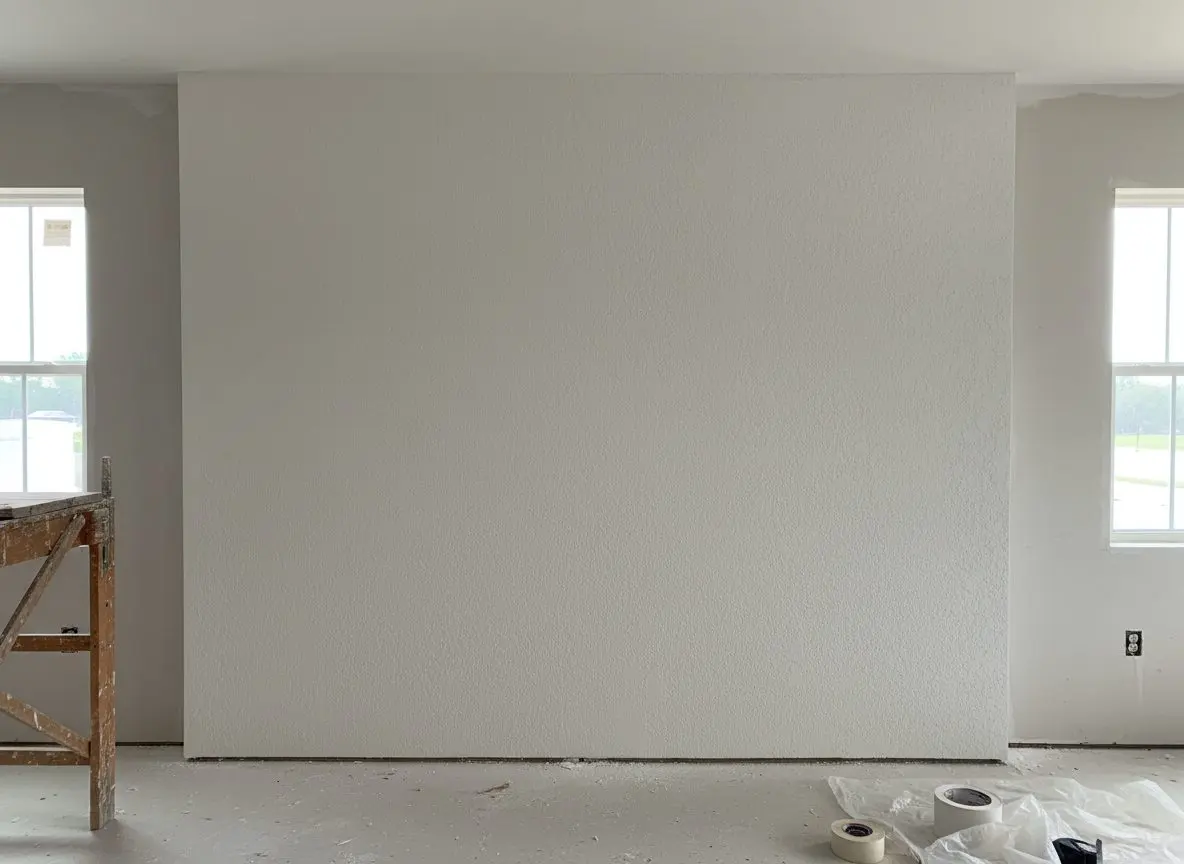
Match when the existing texture still carries its original gun pattern across the whole wall, and when the work is in one or two places rather than scattered around the room. On a light orange peel or an unpainted knockdown a matched area disappears once the wall is recoated, and the room is back in use that week.
Take it flat when the texture already changes halfway across a wall because somebody has patched it before, when a heavy nineties knockdown has been painted so often the pattern has gone soft, or when you want flat walls anyway. Chasing a match on a surface like that costs more in attempts than a skim does in coats.
We say which on the visit, and we say match it when matching will hold, even though a skimmed room invoices for several times as much. A test board sprayed on the spot settles it in twenty minutes and you look at it held against your own wall before anybody commits to anything.
Finish levels named on the GA-214 scale, in writing
Level 4 as standard, Level 5 where light rakes a wall, and every texture matched off a test board first.
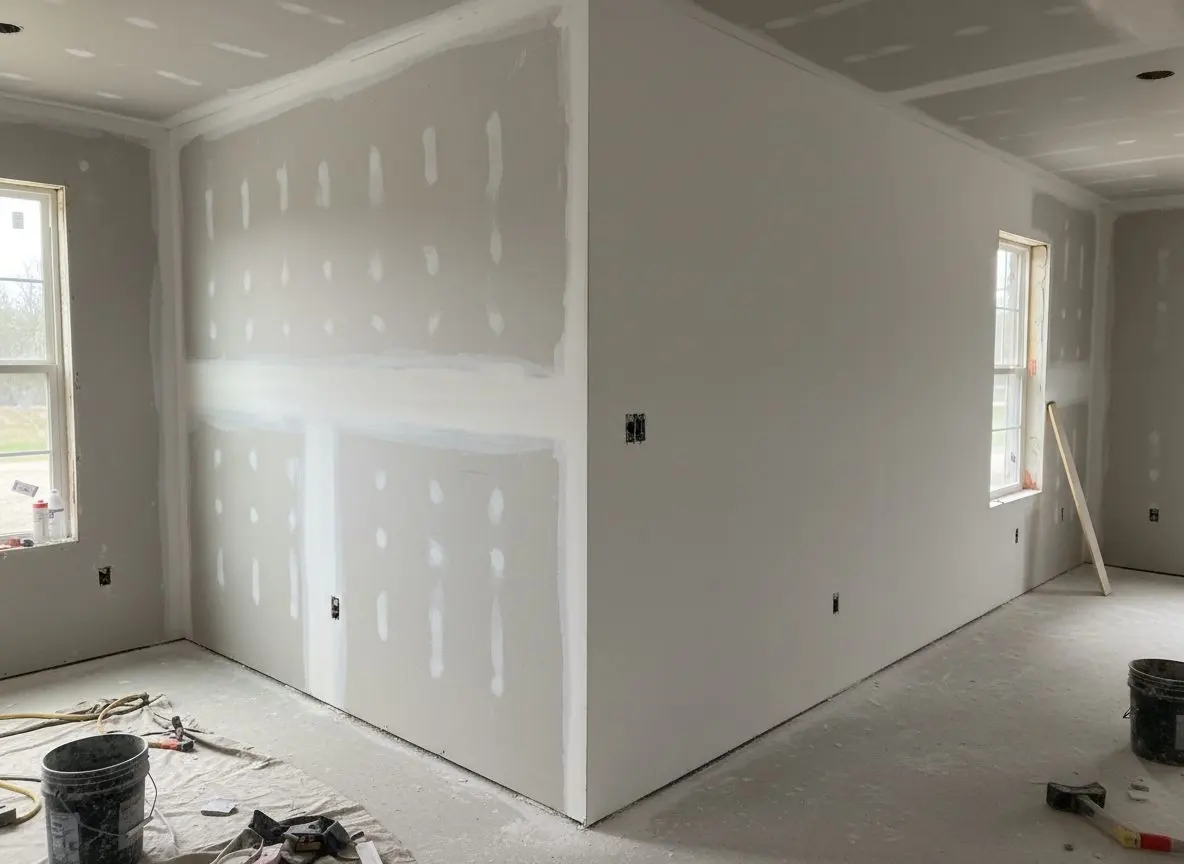
Finish levels are named the way the industry names them, on the GA-214 scale, and written into the quote per room rather than agreed by eye. Level 3 goes under a sprayed texture, Level 4 under ordinary paint, and Level 5 is a thin skim across the whole face for a room where a window throws light down a long wall.
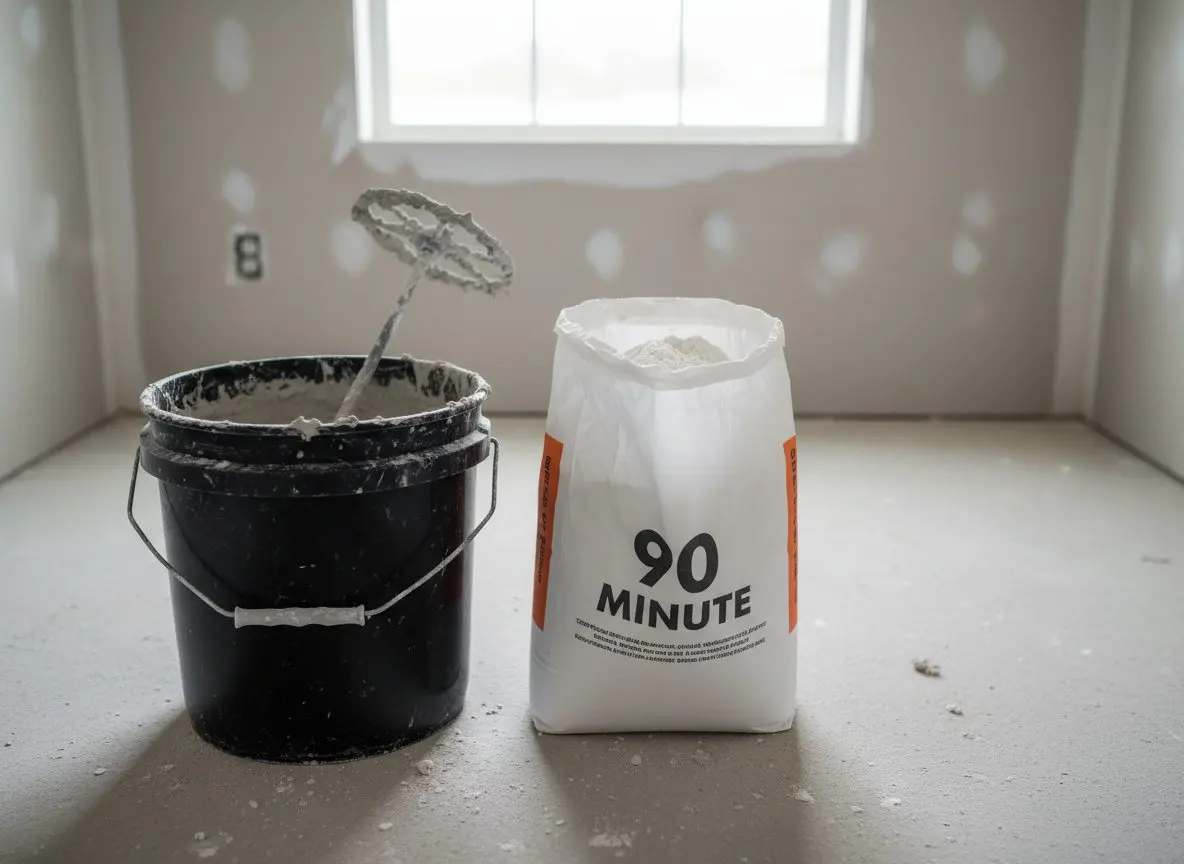
Bedding coats are setting compound rather than all purpose, because setting compound cures by chemical reaction and will do it in August here when an air drying coat sits wet overnight.
Flat seams and internal angles are taped in paper, outside corners take bead bedded and screwed rather than nailed, and every sanded face is read with a light held flat against it before primer.
- Finish levels named on the GA-214 scale
- Level 5 skim where light rakes a wall
- Setting compound for every bedding coat
- Paper tape at all flat seams and angles
- Corner bead screwed off, never nailed
- Texture matched off a sprayed test board
Ask the other two quotes which finish level they have priced, then call and we will name ours room by room.
(864) 555-0119What changes the number on texture and finishing
Two rooms of the same size can be a day apart. On finishing work the number follows the level, and how hard the surface you already have wants to be matched.
- Finish level, room by room
- Level 3 under a texture and Level 5 on a great room wall are different work over the same board. Level 5 adds a skim over the whole face, another sand and another check under a light, close to a day a room.
- How the original was sprayed
- A light orange peel is one gun setting and one pass. A heavy nineties knockdown has an aggregate size, a thinning ratio and a timing in it, and finding all three takes test boards and part of a second visit.
- Sprayed or laid on by hand
- A hopper gun and a compressor cover a room quickly once the masking is up. Skip trowel and sand float go on a few square feet at a time, so the labor runs several times the sprayed equivalent.
- Masking and what stays in the room
- Spraying puts fine texture on everything not covered, so trim, floors, windows and anything left in there get masked first. An empty room is quick. A furnished one is most of a morning before a gun comes out.
- Drying days in the month you are in
- Every coat has to be dry through before the next goes over it, and from June that is a day and a half rather than a night. A room that closes in four days in March books as six in August unless fans run.
- How much has to be flattened first
- A wall patched four times has to be brought flat before texture goes near it, because a sprayed finish follows every hump underneath rather than hiding it. That is a skim and a sand before the job starts.
Which of these apply gets settled with somebody standing in the room holding a light against the wall, and it is written down before anything is sprayed. Get a free quote
From your first call to a room that is ready for paint
Three to seven days on site for most rooms, and the dusty half of it is done inside the first two.
Tell us which room it is and somebody comes out and measures it, free, and puts the days on paper before you commit to anything.
Get a free quoteWhat taking a room flat is worth when you sell
Texture is the one surface a buyer sees in every photograph of the house and never once names.
No published study prices texture or finish level as a line item. The Cost vs Value report from Remodeling magazine measures whole projects, so the finishing inside a South Atlantic bath remodel or bonus room addition is buried in a project figure, and any percentage return offered for a skim coat has been invented on the spot.
What is worth knowing is which of these decisions you cannot revisit cheaply. Taking a heavy knockdown flat changes every room it touches and is the first thing buyers notice in the older ranch stock here.
A finish level can be lifted later with another skim. Texture sprayed over a wall that was never brought flat cannot be fixed without taking it back off again.
Carolina drying days, builder streets and sand finish
Sprayed coats hold their water for days from June, whole subdivisions carry one builder's texture, and mill houses have hand floated sand finish rather than anything a gun makes.
- A sprayed coat will not dry to schedule in July
- From June the air here is already near saturation, so a knockdown sprayed on a Thursday can still be soft Friday morning. Drawing it on time and sanding it late is the whole difference, so fans and a dehumidifier run rather than the crew guessing.
- Whole streets carry one builder's texture
- Growth here means subdivisions finished by one crew in one season, so the orange peel in a 2016 house at Five Forks is the same gun setting as the house next door. That helps a match, and a wrong one is obvious to a buyer who has walked the street.
- Mill houses have sand finish, not knockdown
- The 1920s stock in the West End, Overbrook and North Main was finished in sand float plaster, a hand texture rather than a hopper gun finish. Matching it takes a float, a brush and a practiced hand, and a sprayed one reads wrong from the doorway.
Texture matched in mill houses and new subdivisions
Six finishing jobs from the last year across the Upstate. Each card names the thing that decided how that one ran.
-
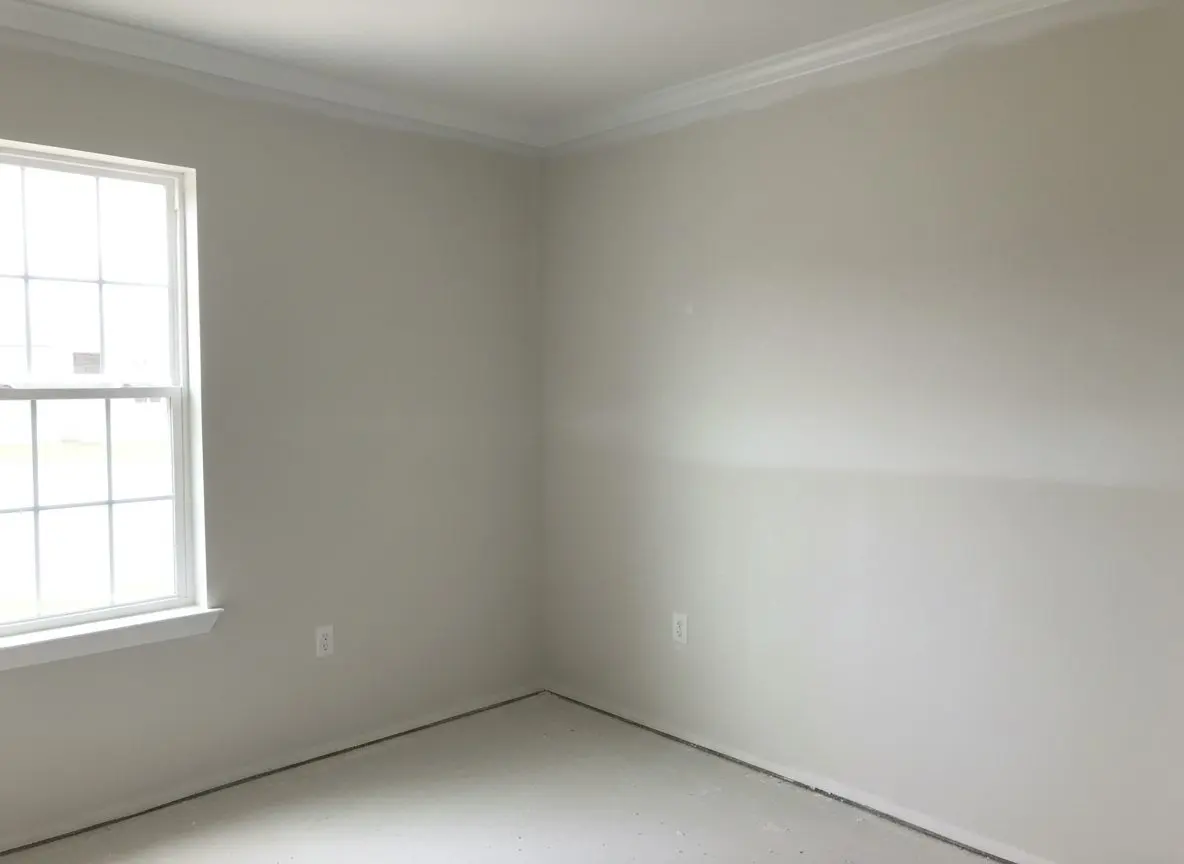
Knockdown matched after a repipe
Taylors
Sixty feet of fresh mud down a hallway wall. Three test boards were sprayed before anything touched the wall, and the match was carried to the corner.
-
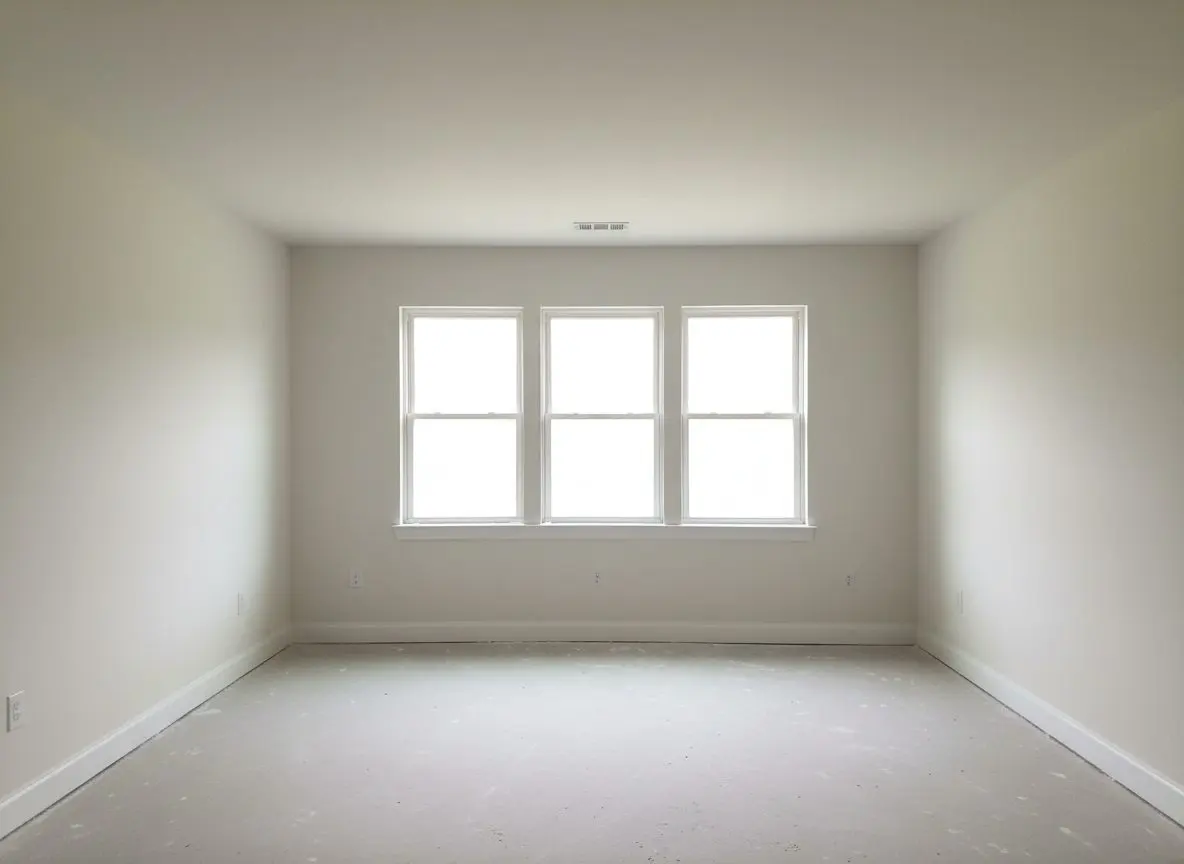
Nine rooms taken flat
Augusta Road
A 1990s house skimmed corner to corner in nine rooms and primed, with the family staying in the two back bedrooms the whole way through.
-
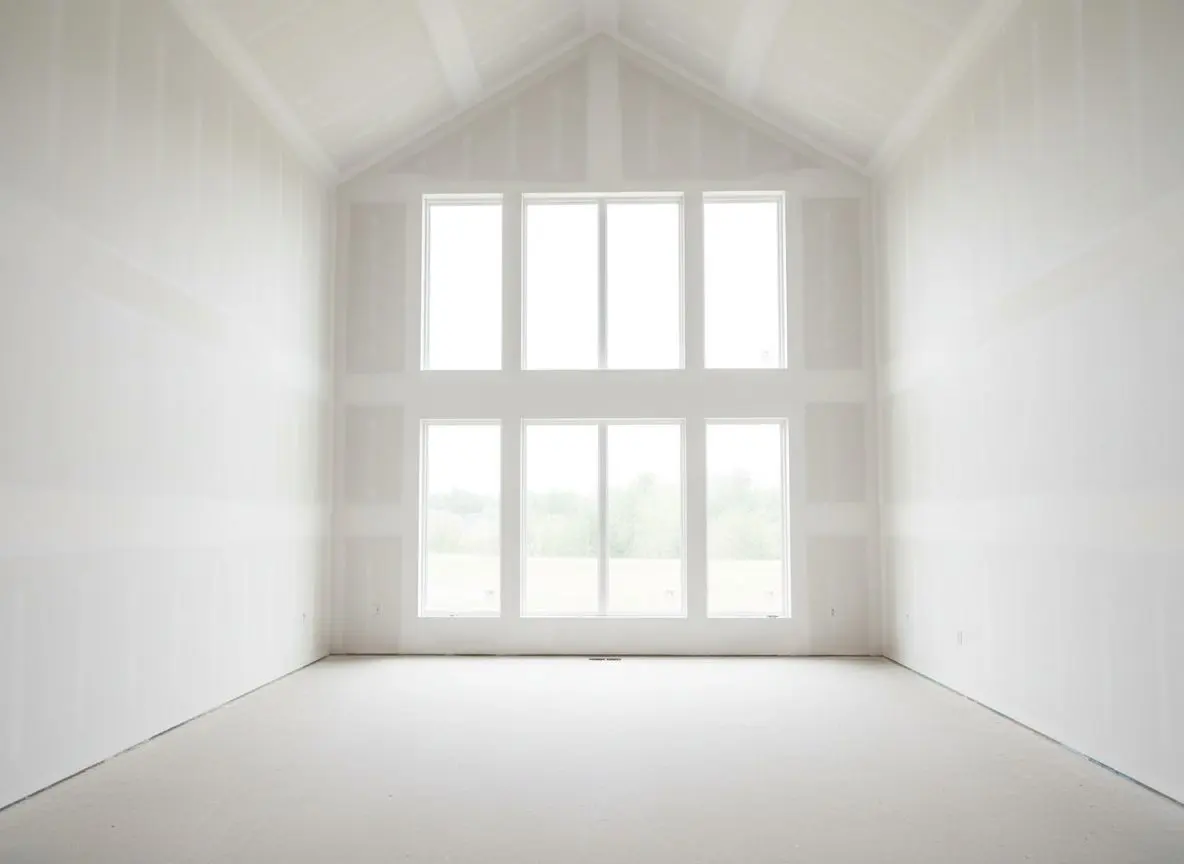
Level 5 in a great room
Five Forks
A twenty foot window wall throwing light the length of the room, so the whole face was skimmed, sanded and read under a light on a pole before primer.
-
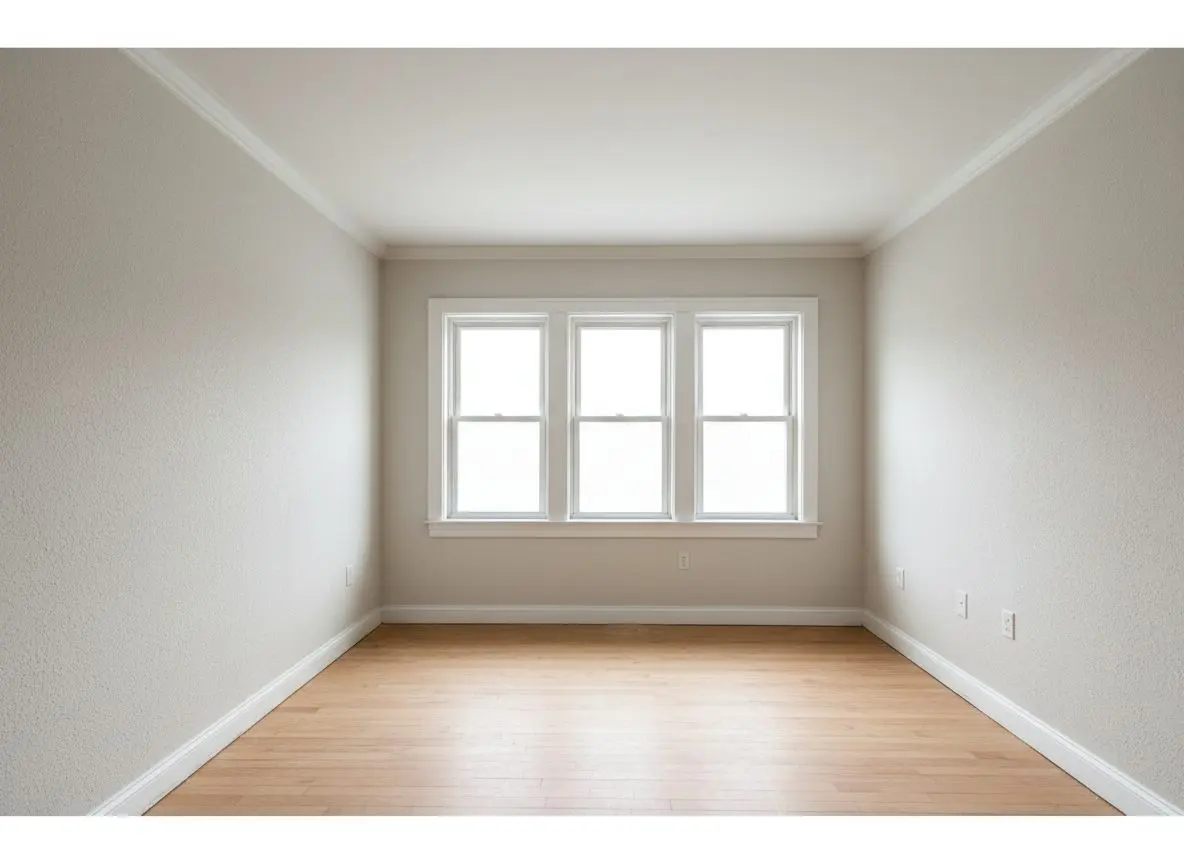
Sand finish matched by hand
West End
A 1924 wall opened for rewiring. The original sand float finish was matched with a float and a brush, because no hopper gun makes that surface.
-
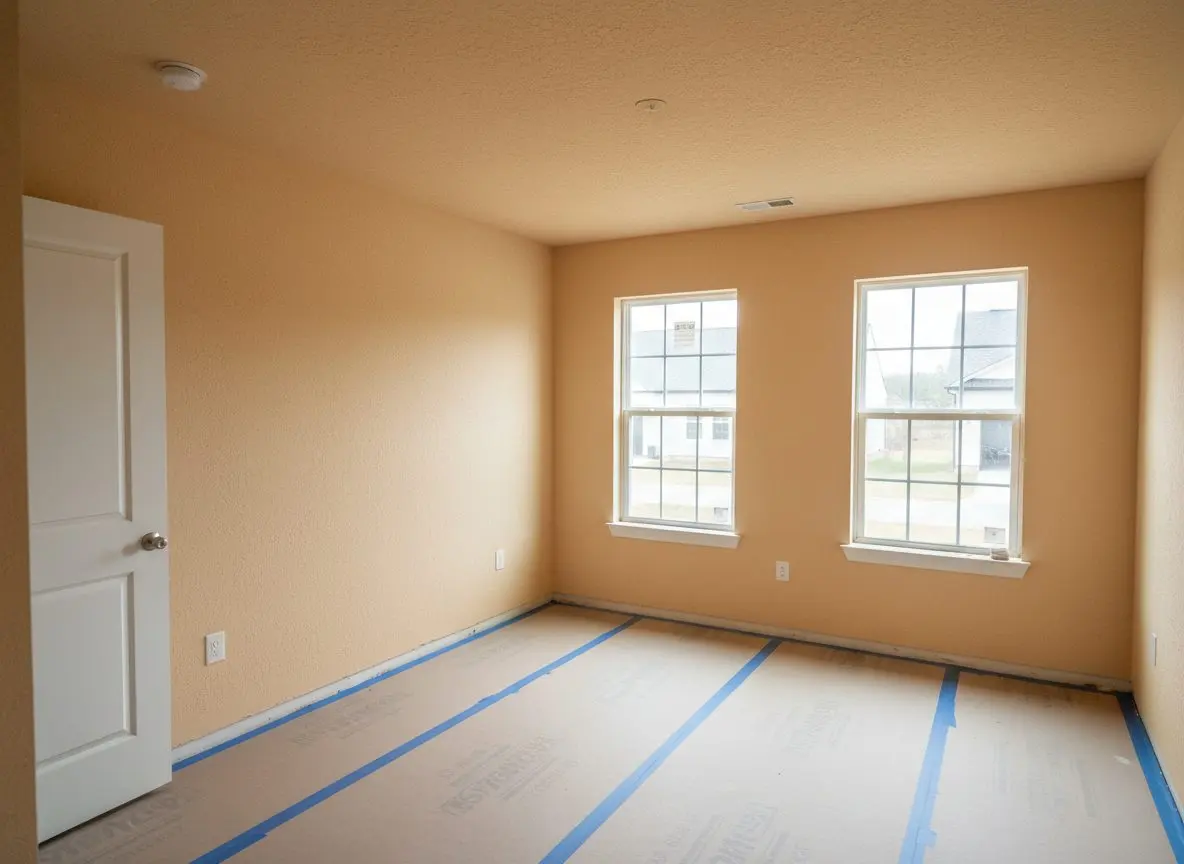
One gun setting, eleven houses
Powdersville
A builder's street sprayed to a single orange peel setting over six weeks, so the houses read the same as each other from the sidewalk.
-
Skip trowel in an open kitchen
Simpsonville
A hand laid finish over new board in a kitchen and dining room, worked a few square feet at a time so the pattern stayed random across the opening.
What people said about the match on their own wall
-
Rated 5 out of 5
Screw pops all over the upstairs of a 2022 build. They pulled the board back where the framing had moved rather than just filling them. None have come back.
Curtis B. Greer Drywall Repair -
Rated 5 out of 5
Garage into an office, and the boarding was the part I dreaded. August air meant the coats wanted two extra days, and they told me that on day one rather than at the end. It reads like a real room now.
Alicia N. Fountain Inn Drywall Installation -
Rated 5 out of 5
The house is from 1986 and every ceiling had popcorn. My realtor said leave it alone. Wes put a light up there and showed me the ripples underneath, so we did the den first to see. Flat now.
Bonnie H. Mauldin Ceilings
Reviews are easy to write and hard to check, so ask us for a finished job near you and go and look at it.
Get a free quoteFAQs
Frequently asked questions
Questions people ask about texture and finishing
Can you match a texture from a photograph I send?
It tells us roughly what family it is in, which is worth having on the phone. It will not give us the aggregate size or the timing, because a phone flattens the shadows that make a pattern readable. Those come off a light held across the wall on the visit, and then off a test board sprayed in front of you.
What is a Level 5 finish, and do I actually need one?
Level 5 is a thin skim of compound over the entire face rather than the joints, so there is no difference in porosity between the seams and the board. You need it where light rakes along a wall, which means a long wall with a window at one end, and a dark flat paint. Everywhere else Level 4 is the honest answer.
How long does a room take to skim and retexture?
Around four days in spring and closer to six in high summer, for an ordinary bedroom. Two of those days are drying rather than working. The dusty stretch is the sanding, which is a few hours near the end, and the room is sheeted and zipped off from the first morning.
Can I just paint over knockdown instead of smoothing it?
You can, and a flat or matte paint knocks a lot of the shadow out of it. What paint will not do is change the profile, so the pattern still reads in raking light and still dates the room. If the plan is to sell, paint is the cheap answer and a skim is the one buyers here respond to.
Will the texture still match once the wall is painted?
That is exactly when it has to match, so it is judged primed rather than bare. Compound and old paint take a roller differently, which is why the matched area is primed and then the wall is recoated corner to corner. Painting only the new part is what makes a good match visible again.
Do we have to move out while a room is being sprayed?
No, but you lose that room and the doorway to it for the day. Spraying is the one stage where fine texture travels, so the room is masked out floor to ceiling, the doorway is zipped and the crew works behind it. Anything you cannot move gets covered, and it is worth taking soft furnishings out entirely.
What makes texture flake or crack off a wall later?
Almost always what was underneath it. Texture sprayed onto dusty board, onto old gloss paint with no primer, or onto a surface that was still damp will let go in sheets a few years on. It is also why we prime before texturing over anything painted, rather than trusting that it will grip.
Can you smooth one wall and leave the rest textured?
We can, and it works where the wall is a plane on its own, like a fireplace wall or a room divider. Where two walls meet in an internal corner the change reads as a mistake rather than a feature, so on an ordinary bedroom the sensible unit is the whole room rather than one side of it.
Do you need power and water while you are working?
An ordinary outlet and a faucet, which every occupied house already has. The compressor and the sanders run off standard household circuits, and mixing takes clean water. On a new-construction house with no service on yet we bring a generator, and that is said in the quote rather than found on the morning.
Which texture hides an uneven wall best?
A heavy knockdown, by a distance, then skip trowel, then orange peel, and flat hides nothing at all. That is the real reason so much of the housing stock here is textured. It is worth saying that hiding a wave is not the same as fixing it, and a badly bowed wall is better shimmed than sprayed.
Can you finish walls I have already drywalled and taped?
Yes, and it is a normal booking. We will look at the tape and the screw setting first and tell you honestly whether the coats can go over what is there or whether some of it comes back off. Taking on somebody else's taping without saying that would put our finish over their joints.
How soon can trim and pictures go back on the wall?
Trim once the primer is dry, which is the day after we finish in spring and two days in August. Pictures and fixings any time after that. What is worth waiting for is the topcoat, because fitting trim onto compound still damp underneath traps the moisture and the paint flashes along the top edge months later.
Greenville Drywall Elite
The book runs two to three weeks ahead, so most rooms start inside the month.
Greenville Drywall Elite hangs, tapes, finishes and textures board across Greenville and the mill towns and new subdivisions around it, from crawl-space repairs to whole rooms hung from scratch. Four crews finish a little over two hundred and twenty jobs a year, residential and commercial alike. Trading here since 2013.
Why Greenville homeowners keep calling us back
- Thirteen years hanging houses across the Upstate, trading since 2013
- The measure is free and the quote is itemized, line by line
- Damp is checked at the crawl space first, not guessed at from the stain on the wall
- Coats are timed to Carolina drying days rather than rushed to meet a schedule
- The room is swept and vacuumed before anybody calls the job finished
If a baseboard is stained from the crawl space, a ceiling needs drywall, or a room needs finishing from scratch, call (864) 555-0119 and somebody will come out and measure it for free. The quote is itemized so you can see what each part of the job costs, and the coats are timed to the weather rather than rushed.
Give us a call
office@greenvilledrywallelite.com
Send us a message
141 Traction St, Greenville, SC, 29611
Where to find us